Roof Types and Roofing Details: The Vocabulary You Need
The words on an estimate mean nothing if you don’t know what they refer to. Here’s the vocabulary that makes the rest of this site, and any bid you get, actually make sense.
Last updated: August 2026
Steep Slope vs. Low Slope
This is the same fork the questionnaire tool asks about, and it’s the first thing worth understanding, since it determines almost everything else about your roof. Steep slope roofs are the pitched, angled roofs most homes have, water runs off quickly by design. Low slope roofs are flat or nearly flat, common on additions, porches, and most commercial buildings, where water has to be managed rather than simply shed. The two use entirely different materials and installation methods, so a contractor’s experience with one doesn’t automatically transfer to the other.
One term worth knowing before any of this makes sense on paper: a roofing square. Roofers measure and price work in squares, not square feet, one square equals 100 square feet of roof area. A typical 2,000 square foot roof works out to about 20 squares. When you see material or labor priced “per square” on an estimate, that’s the unit being used, and it’s worth knowing since it’s how contractors actually talk about and quote a job, not just how this article will refer to weight below.
Types of Roofing Materials: Steep Slope
Asphalt shingle is the most common residential choice by far, reasonably priced, widely available, and installed by nearly every residential roofer, typically lasting 20 to 30 years depending on the specific product.
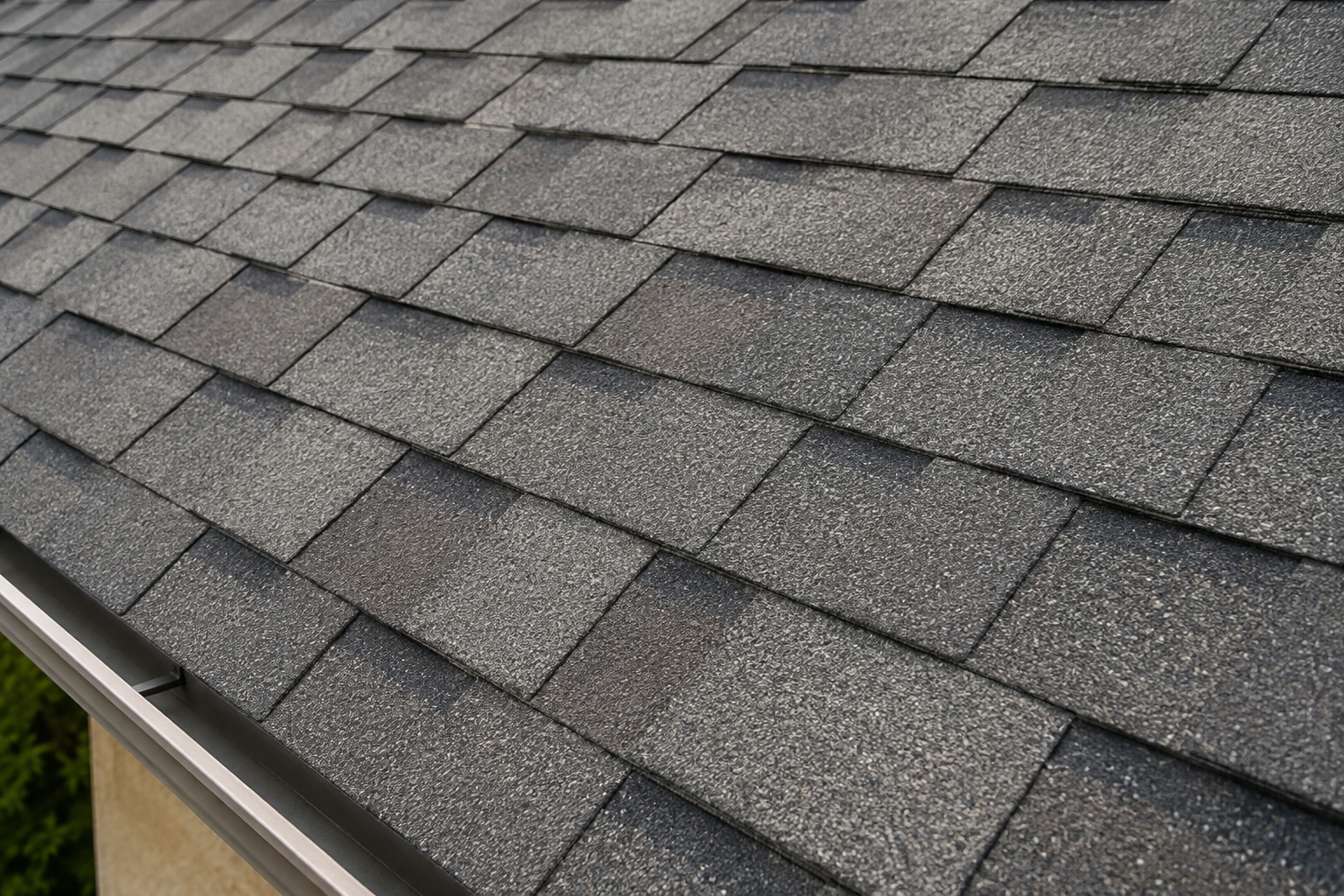
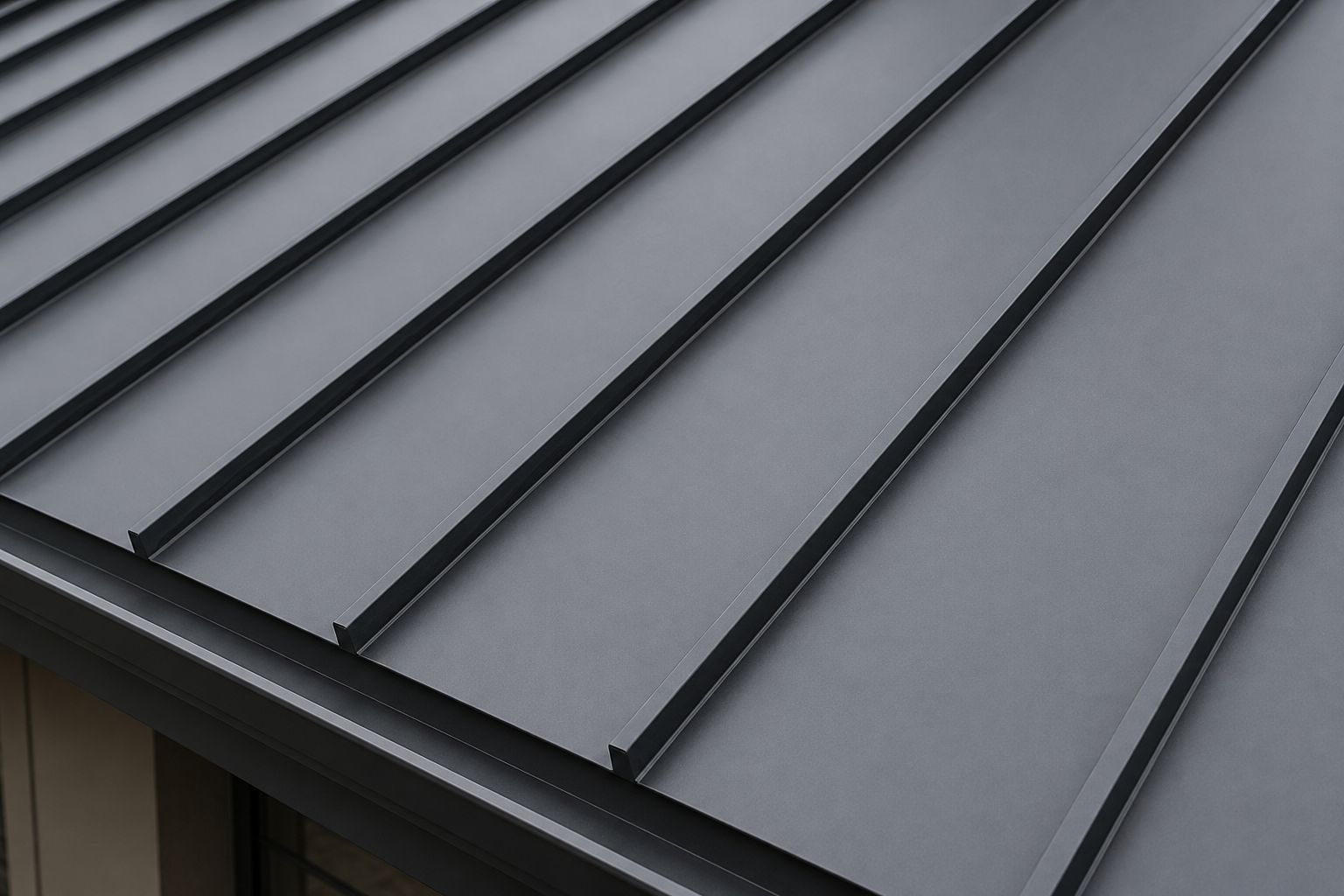
Metal roofing costs more upfront but typically lasts 40 to 70 years, and handles severe weather well, a real option worth pricing out even if it’s not your first instinct.
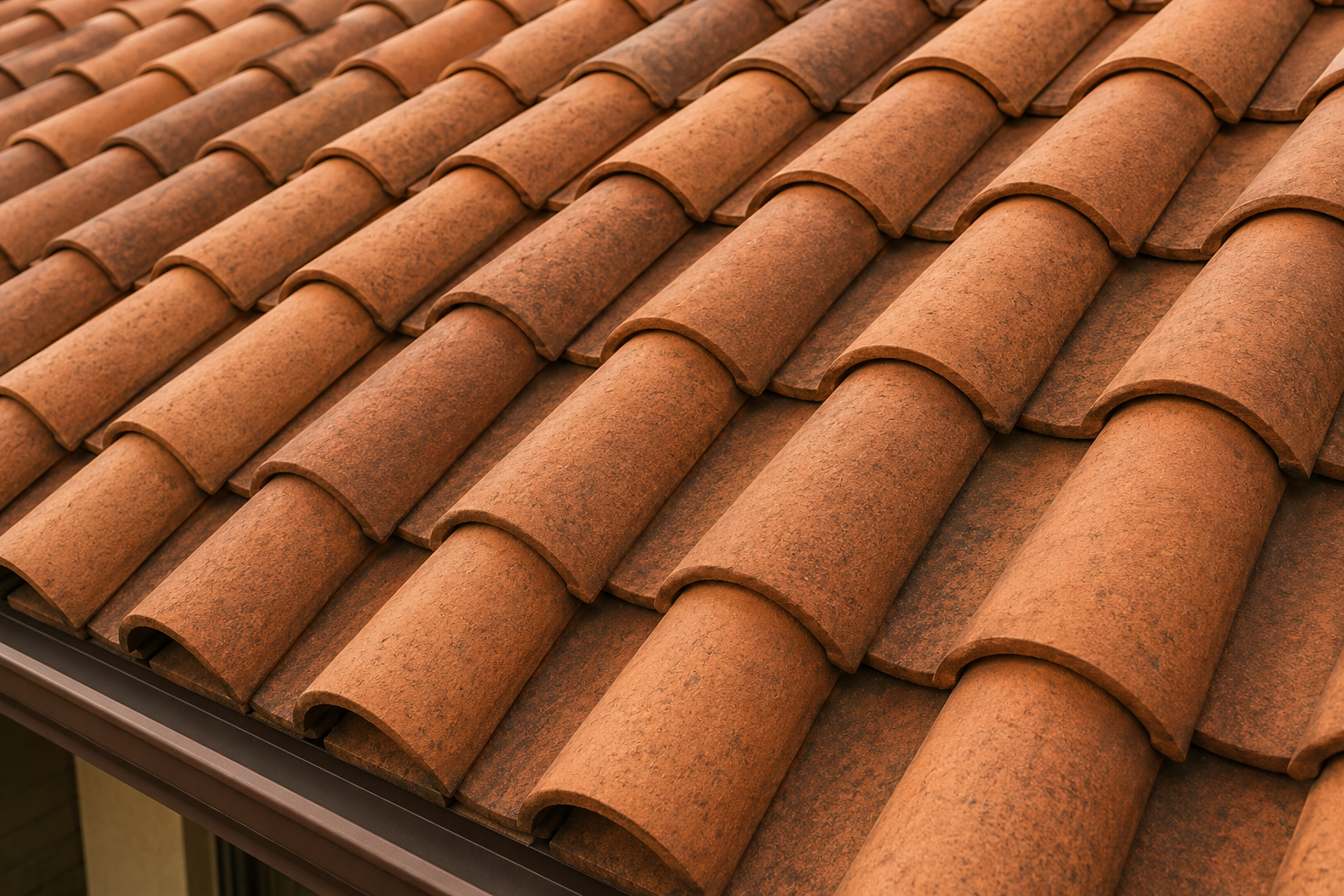
Tile, clay or concrete, is common in certain regional styles and can last 50 years or more, but it’s heavy, and not every roof structure is built to support it without reinforcement.
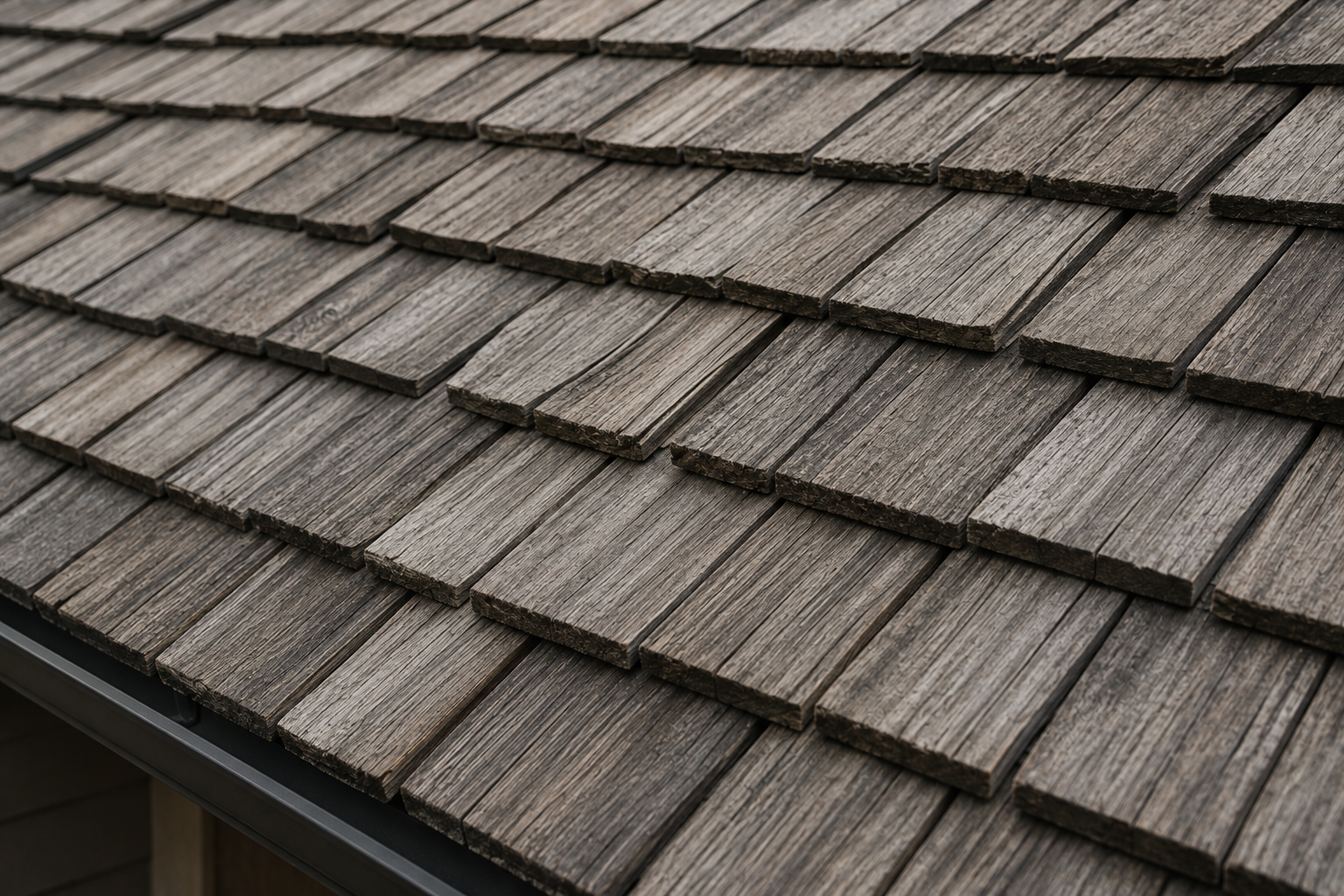
Wood shake offers a distinct look but requires more maintenance and carries fire considerations worth discussing directly with a contractor and your insurer.
Slate is the longest-lived material commonly used, sometimes exceeding 100 years, and priced accordingly.
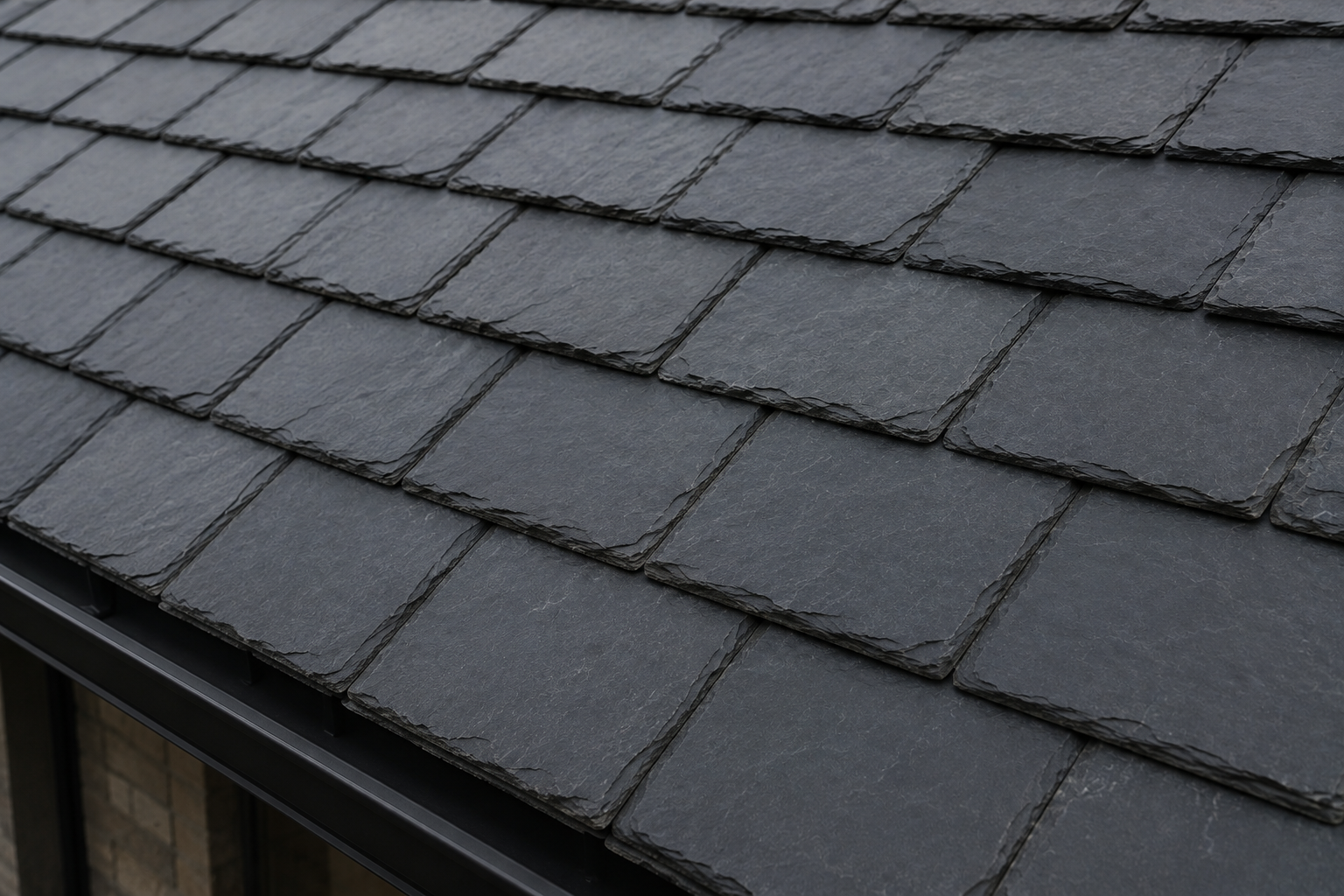
Stone coated metal is metal roofing with a stone-chip coating bonded to the surface, giving it the visual texture of shingle, shake, or tile while keeping metal’s durability and typically lighter weight than actual tile. It’s a common choice in hail-prone or wildfire-prone areas where the underlying metal panel matters more than the traditional look it’s designed to mimic.
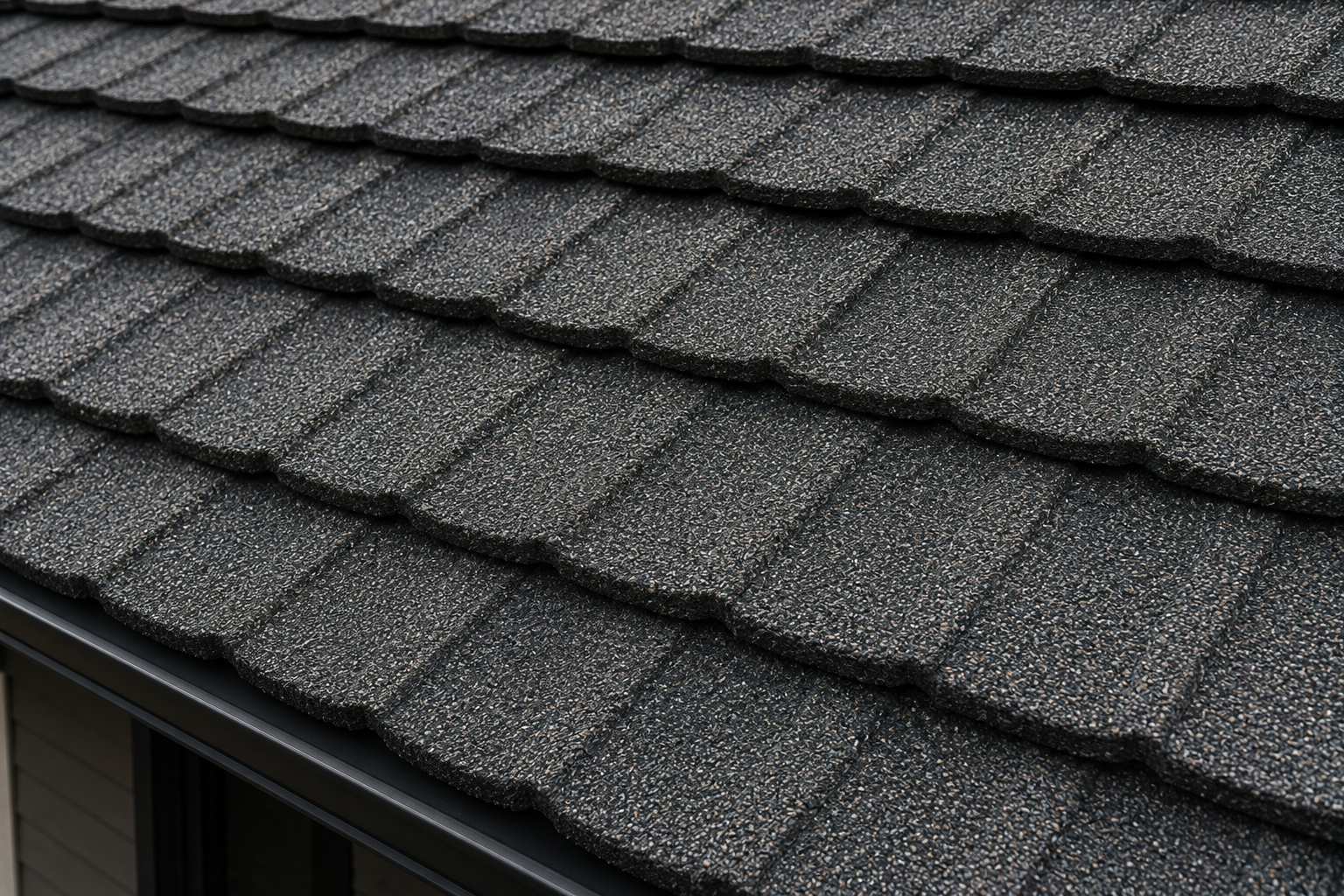
Concrete tile looks similar to clay tile and installs the same way, but costs less than clay while still running 50 years or more. It’s heavier than most other options, so the same structural consideration that applies to clay tile applies here too, worth confirming your roof structure can support it before falling in love with the look.
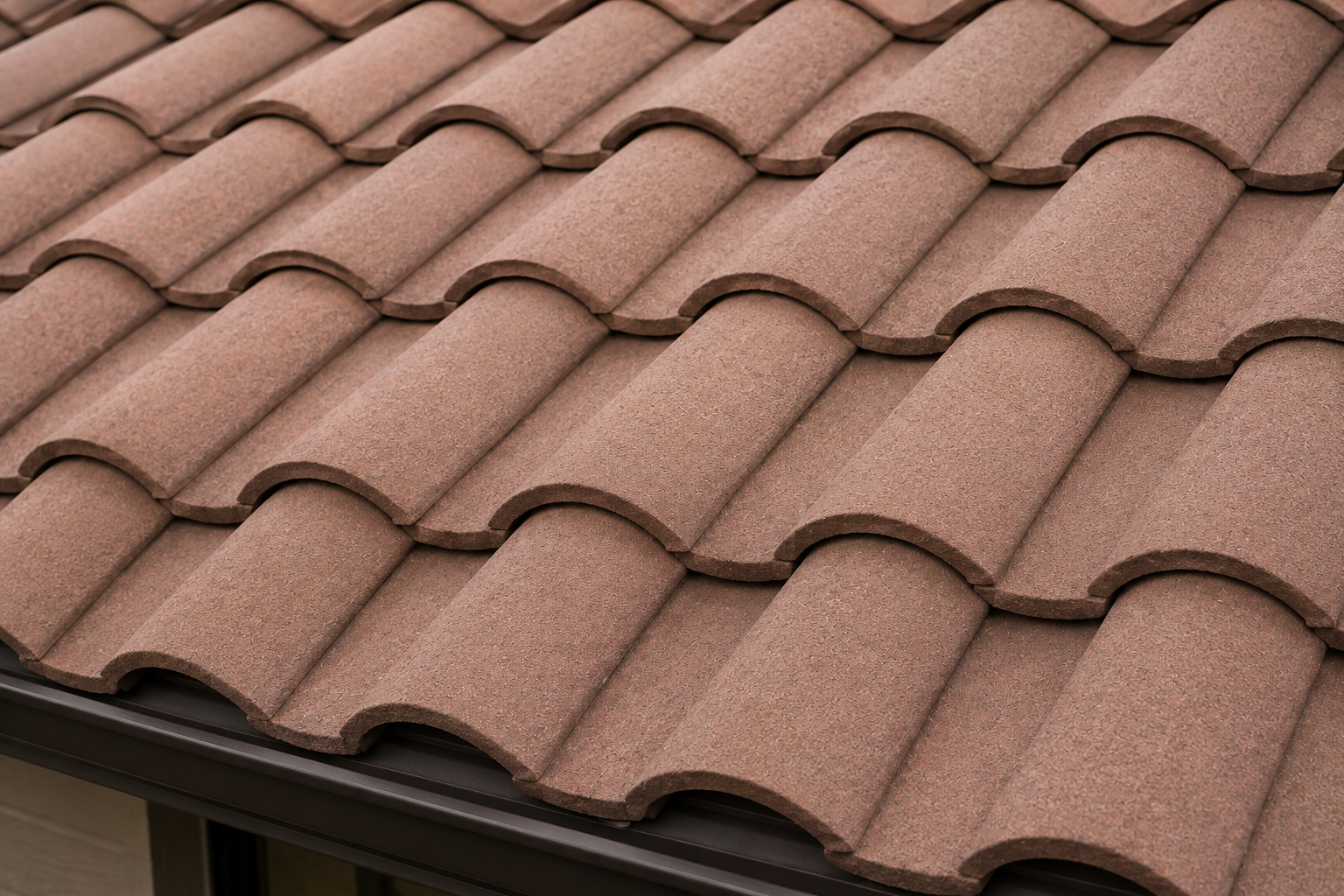
Polymer or synthetic tile is a newer category, lightweight composite material engineered to mimic the look of slate, shake, or tile without the weight or the price. Many synthetic products carry a Class 4 impact rating, meaning real resistance to hail damage, which is worth asking about directly if hail is a regular concern where you live.
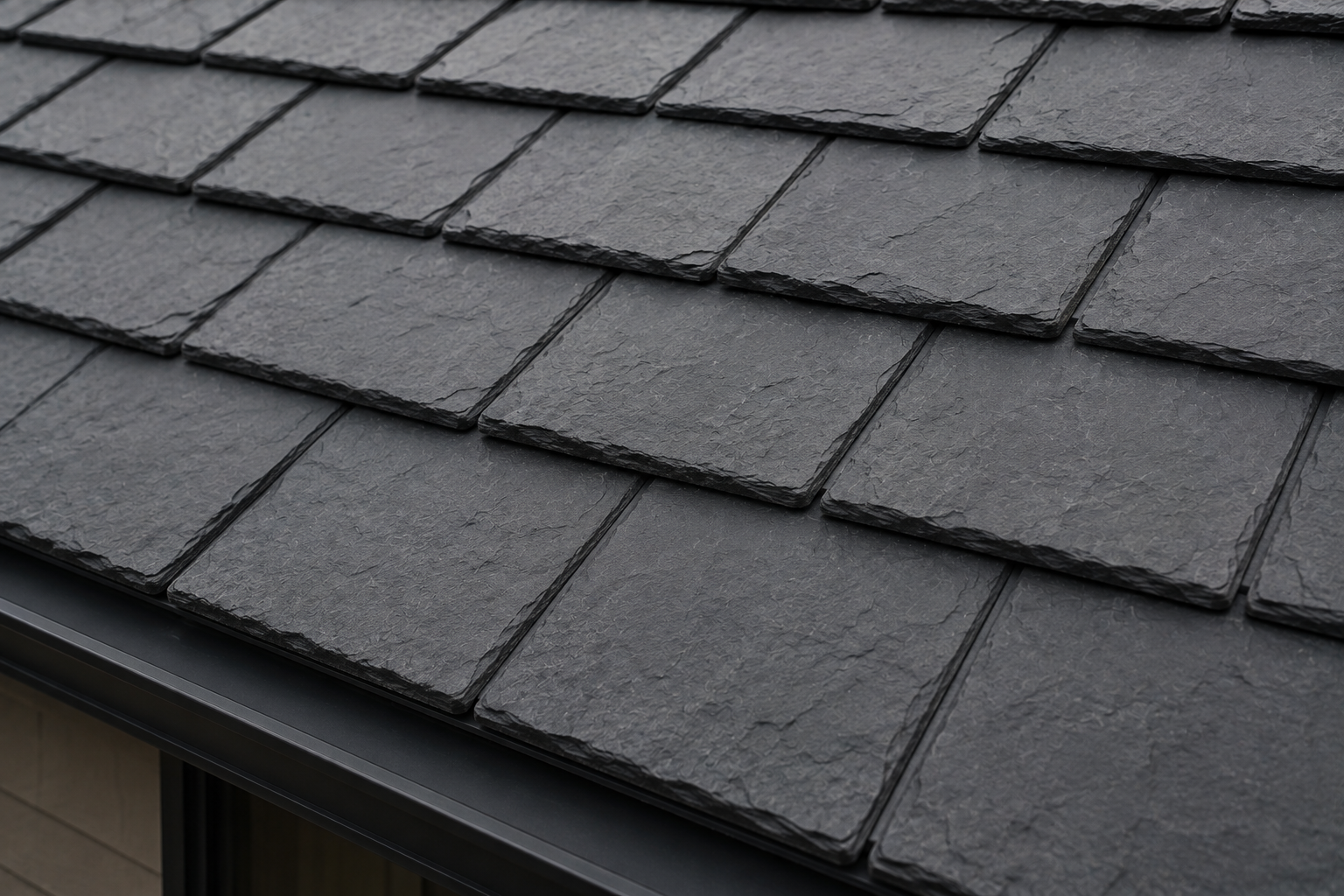
None of these is universally “best,” the right material depends on your budget, your climate, your roof structure, and how long you plan to stay in the home. Be skeptical of a contractor who pushes one material hard without asking about your actual priorities first.
Low Slope and Commercial Systems
Kept high-level here since the commercial side of this site is still being built out, but worth knowing the vocabulary if it ever applies to you: TPO, PVC, and EPDM are the most common single-ply membrane systems, modified bitumen and built-up roofing are older, multi-layer approaches still in wide use on commercial buildings. Each has different installation requirements, warranty structures, and maintenance needs, well beyond the scope of a quick comparison, but worth recognizing the terms if they show up on a bid.
The Components That Actually Matter
Beyond the visible surface material, a handful of components determine how well a roof actually performs, and knowing them turns a confusing written estimate into something you can actually evaluate.
Decking is the structural wood surface everything else attaches to, usually plywood or OSB. Underlayment is the water-resistant layer installed between the decking and the visible roofing material, your real backup line of defense if the surface material is ever compromised. Peel and stick leak barrier is a self-adhering waterproof membrane used in the highest-risk spots, eaves, valleys, roof-to-wall intersections, and around penetrations, distinct from standard underlayment because it seals around nail penetrations and stays watertight even if water gets underneath the roofing material itself, covered in depth in The Details That Matter. Flashing is the metal used at transitions and penetrations, chimneys, skylights, walls, valleys, also covered there, since it’s where most real leaks originate. Drip edge is the metal strip along the eaves and rakes that directs water cleanly into the gutter instead of letting it wick back underneath the roofing material. Ridge cap is the material covering the peak where two roof planes meet, both a finishing detail and a functional seal. Ventilation is the intake-and-exhaust airflow system keeping the attic close to outdoor temperature and humidity, covered in full in Building Physics, since getting it wrong causes problems that have nothing to do with the roofing material itself.
Identifying Your Own Roof
Knowing your roof’s pitch and overall shape matters just as much as knowing the material, both for understanding an estimate and for getting an accurate coverage calculation. That’s covered in full, with a pitch guide and a visual guide to common roof shapes, on Identify Your Roof Type. Once you know your pitch, the Roof Coverage Calculator can give you a rough estimate of your roof’s actual material coverage.
What This Means for You
You don’t need to become a roofer to hire one well, but knowing these terms changes the conversation. It lets you ask what material and components are actually included in a bid, rather than assuming “roof replacement” means the same thing from every contractor. It’s also the foundation for a lot of the other content on this site, the sales-visit questions, the leak-diagnosis articles, and the questionnaire tool all assume this vocabulary, so this is a good page to bookmark and come back to.